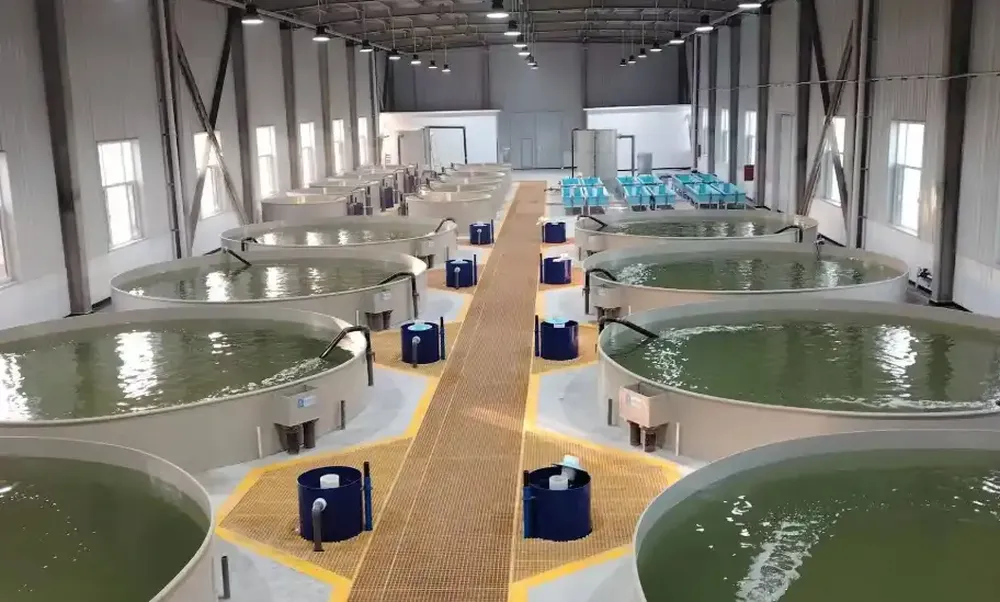
Modern aquaculture is shifting from traditional aquaculture, experience-based farming methods to intelligent systems smart fish farm based on data. By adopting circular aquaculture systems (RAS) and Internet of Things monitoring technologies, farmers can transform unpredictable factors into controllable, monitorable and predictable production patterns, thereby significantly improving feed conversion rate (FCR) and biological safety.
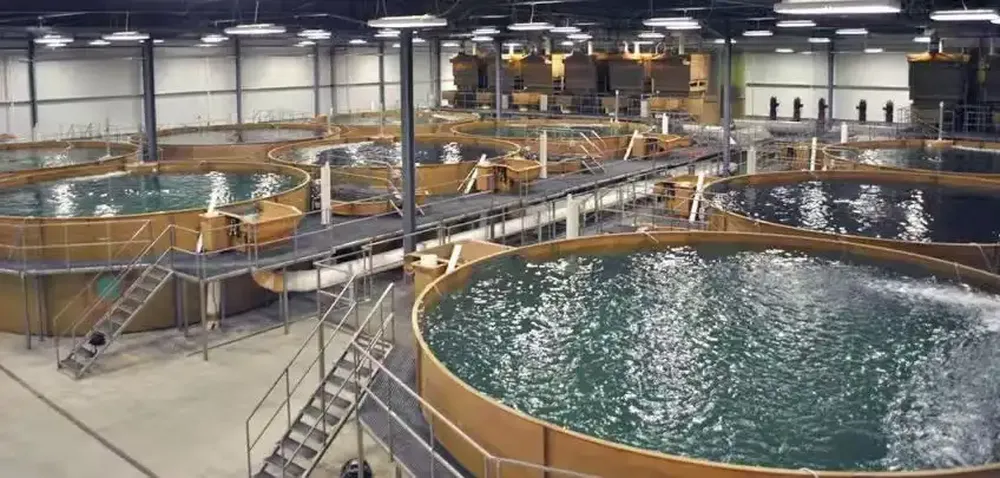
The Crisis of “Experience-Based” Farming
In traditional aquaculture, production often relies on “worker intuition” – by visually assessing water quality and feeding based on estimations. In an era of high-density farming and rising operational costs, this “sense” poses a high-risk hazard. To achieve large-scale profitability, the transition to intelligent aquaculture is no longer an optional choice but a necessary mechanical requirement.
1. Controllable: Engineering the Ideal Environment
The intelligent farm begins with a professional RAS (recirculating aquaculture system). Unlike traditional ponds, the intelligent RAS manages the entire biological life cycle through mechanical and biological filtration. The core modules include: solid removal, protein skimming, carbon dioxide removal, nitrification, and ultraviolet/ozone disinfection. The advantages of intelligence: Automation eliminates the element of guesswork. The system adjusts the oxygen supply and flow according to the real-time biomass demand, ensuring that the fish are always within the ideal growth range around the clock. Result: It reduces the reliance on manual labor and, compared to traditional recirculating water supply systems, water consumption is reduced by 90%.
2. Monitorable: Real-Time Risk Mitigation
The greatest threat faced by aquaculture is “delayed detection”. An advanced fish farm will utilize an integrated Internet of Things sensor network to monitor those hard-to-detect potential threats. The key indicators that need to be tracked include: critical water quality indicators: dissolved oxygen (DO), pH value, ammonia (NH3), and nitrite (NO2). System health indicators: water flow rate, water level, and the power consumption of the water pump motor. Early warning system: the intelligent platform will provide predictive alerts. If the trend of dissolved oxygen drops, the system will alert the managers before reaching the lethal threshold, thus transforming your operation from reactive response to proactive prevention.
3. Predictable: Data-Driven Profitability
The ultimate goal of geographical optimization in agriculture is to achieve predictability. By collecting historical data, intelligent farms can predict crop growth conditions and optimize feed conversion rate (FCR).
Precision feeding: The intelligent feeder combined with biomass sensors can avoid overfeeding (reducing waste) and underfeeding (optimizing growth).
Operational intelligence: Data analysis can precisely reveal the “optimal feeding window period”, enabling you to adjust temperature or processing capacity in advance to cope with biological changes.
Result: Feed costs (the largest expense in aquaculture) have been significantly reduced, while the breeding cycle has also been shortened.
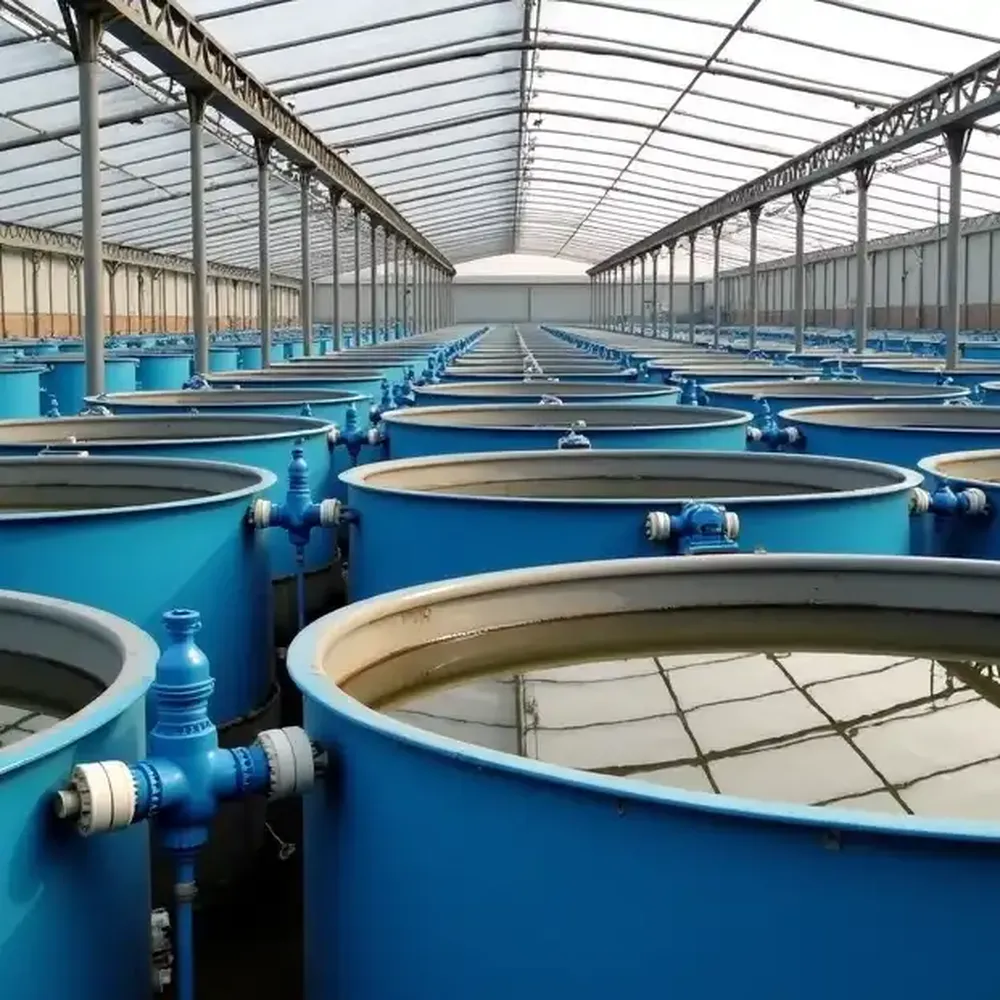
The Roadmap: How to Begin the Upgrade?
| Phase | Focus | Key Equipment |
| Phase 1: Foundation | Environmental Control | Industrial RAS modules, high-efficiency filtration, and oxygenation systems. |
| Phase 2: Digitalization | Real-Time Monitoring | IoT sensors, automated feeding units, and centralized control cabinets. |
| Phase 3: Intelligence | Analysis & Prediction | Cloud-based data platforms, AI-driven growth modeling, and remote management apps. |
Conclusion
True smart aquaculture makes every link more certain and efficient. As a professional supplier of industrial aquaculture equipment, we specialize in bridging the gap between traditional methods and high-tech stability. Whether you are optimizing a land-based RAS for sea urchin breeding or deploying high-durability Deep-Sea Fish Cages for tilapia, our integrated solutions prioritize energy efficiency and environmental protection. Embracing this digital transformation ensures your operation remains competitive, sustainable, and profitable in the evolving global seafood market.
Our engineering focus remains on reducing operational reliance on ‘worker experience’ by delivering standardized, energy-efficient systems. By stabilizing water chemistry and automating nutrient delivery, we empower farmers to achieve consistent harvest cycles.
Ready to transition from intuition to intelligence? Contact our technical team today for a customized RAS smart upgrade plan and start maximizing your farm’s ROI.