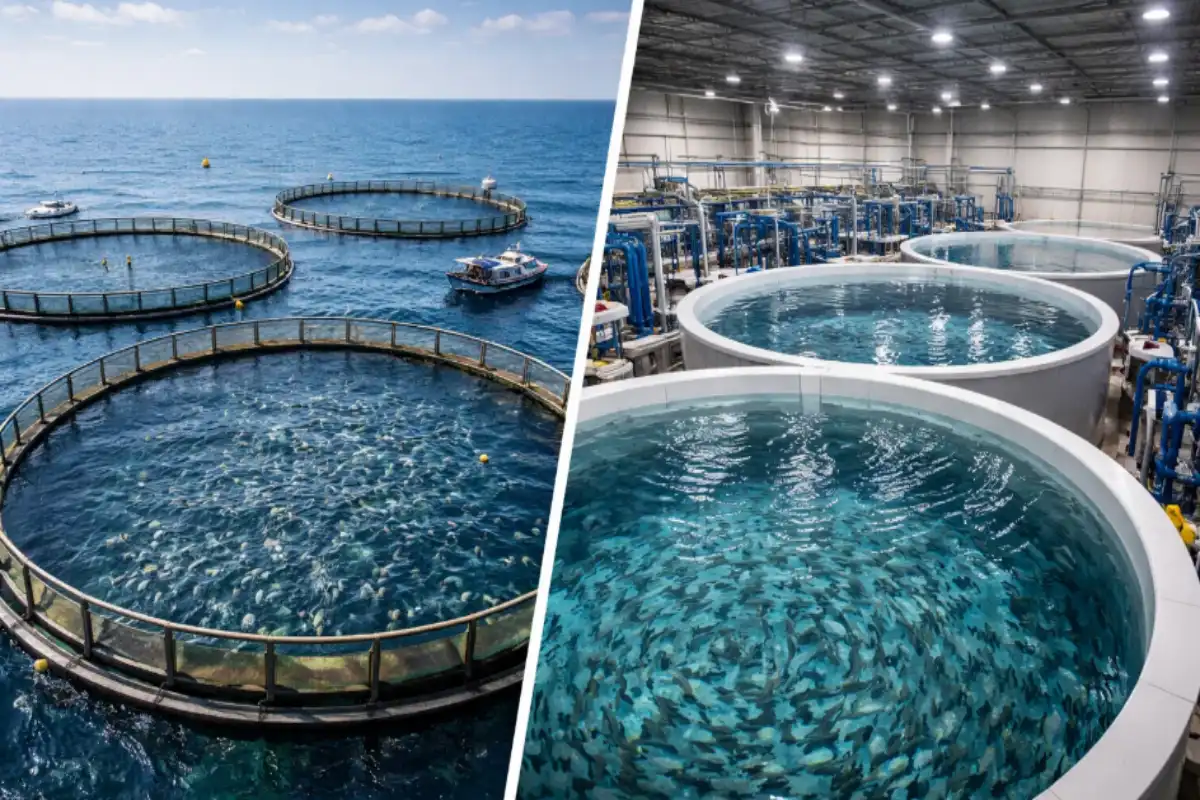
The global demand for tilapia is constantly increasing. If you plan to establish a fish farm in 2026, the biggest decision you need to make is: to build a land-based recirculating aquaculture system facility, or to install floating fish cages in open waters?
This article compares the actual costs, returns and risks of these two systems to help you make a choice.
What’s the Difference Between RAS and Fish Cages?
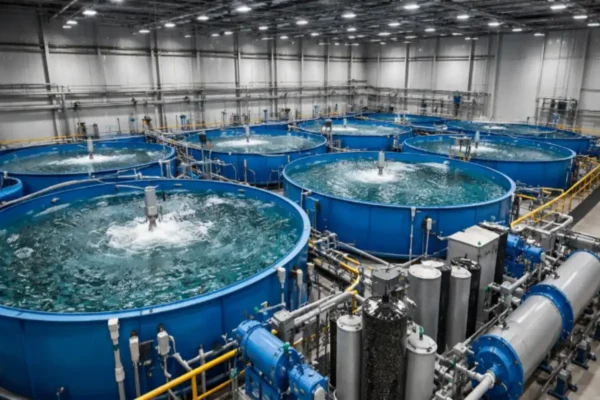
RAS (Recirculating Aquaculture System) is an indoor, land-based farming system. Water is continuously filtered, treated and recycled through the water tanks 24 hours a day. You can control everything – temperature, oxygen content, water quality – but this system requires a large amount of equipment, skilled labor, and continuous power supply.
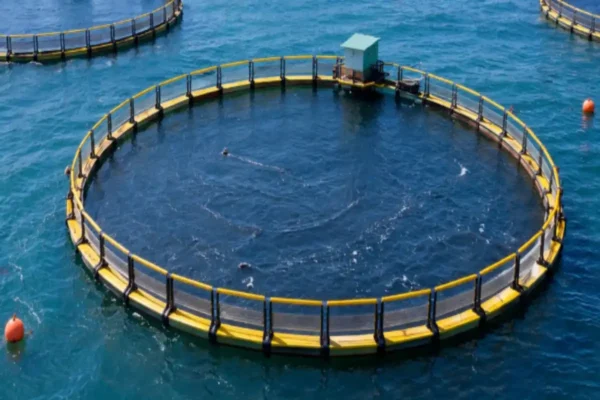
Fish cages are floating mesh fences placed in lakes, reservoirs or rivers. Fish grow in the naturally flowing water. No pumps, filters or water treatment equipment are needed. It has low technical content, low cost and is easy to operate.
When Should You Choose RAS Or Fish Cages?
The situations where fish cages should not be selected are:
You have the right to use a lake, reservoir or river
The budget is less than $100,000
You are raising tilapia, catfish or carp
You hope to get a quick return
Final Verdict
For the tilapia farming in 2026, cage farming will dominate – and the difference is not significant.
The recirculating water farming technology is constantly evolving and has broad prospects in high-value fish farming – but for tilapia, floating cage farming remains the most profitable farming method at present.
Are you in search of HDPE floating fish cages for rearing tilapia?
We offers custom-made fish cage systems suitable for various lakes, reservoirs and near-shore waters worldwide.