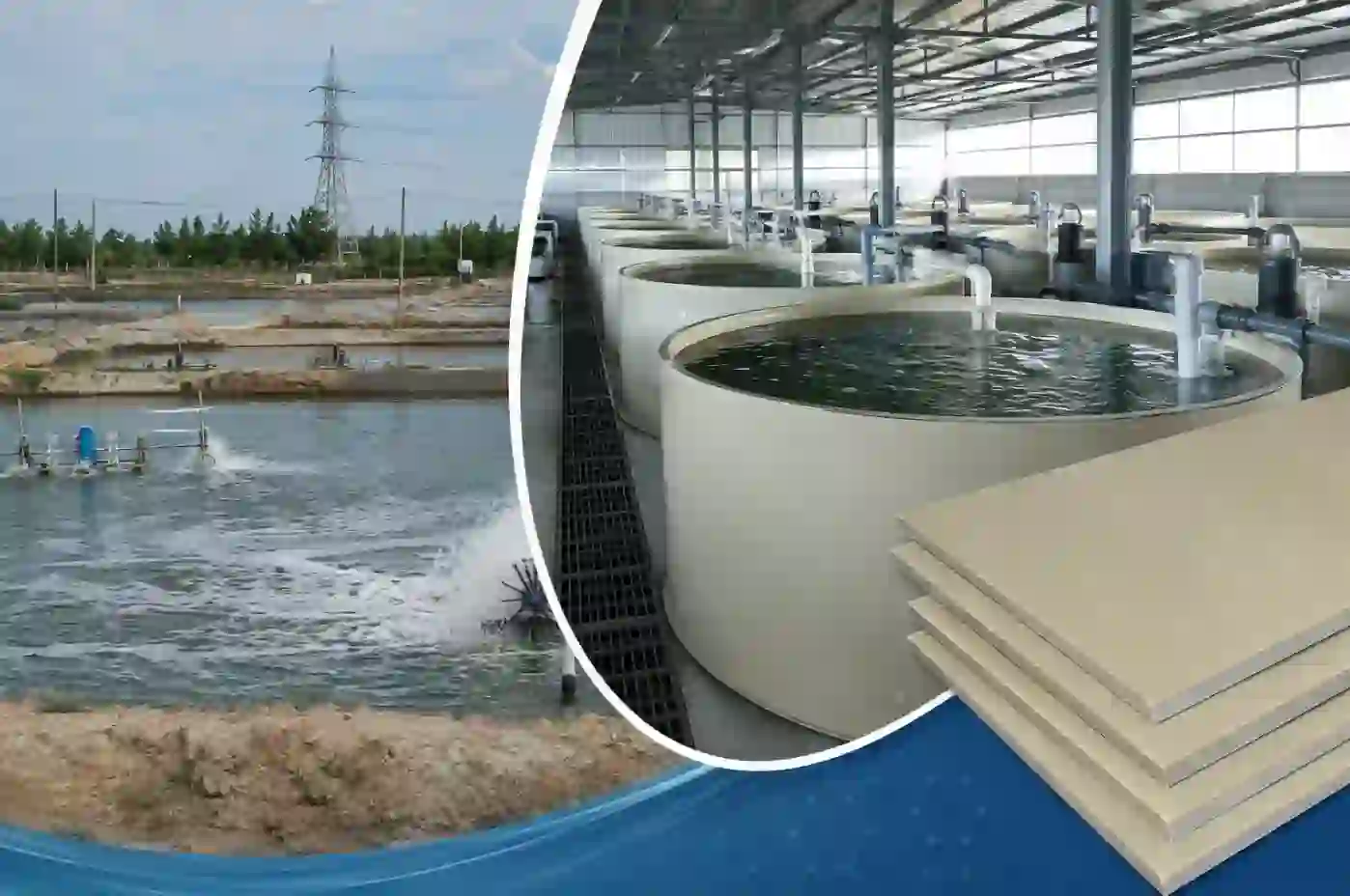
As aquaculture moves toward more intensive, controlled and technology-driven production, the choice of tank and structural materials is becoming more than a question of waterproofing.For modern aquaculture facilities, especially Recirculating Aquaculture Systems (RAS), material selection can influence hygiene, maintenance, durability, water quality management and overall operational efficiency.
Concrete tanks and lined ponds remain widely used in aquaculture. However, for certain applications, polypropylene (PP) sheet fabrication offers practical advantages that are worth considering when upgrading aquaculture infrastructure.
A More Sustainable Approach to Aquaculture Infrastructure
1.Recyclable thermoplastic material
PP is a thermoplastic polymer that can be recycled through appropriate mechanical recycling processes. Compared with materials that require more complex demolition and separation at the end of their service life, PP components can potentially be recovered and reprocessed when suitable recycling infrastructure is available.This makes PP relevant to the principles of circular economy and resource efficiency.
2.Solvent-free fabrication and fast installation
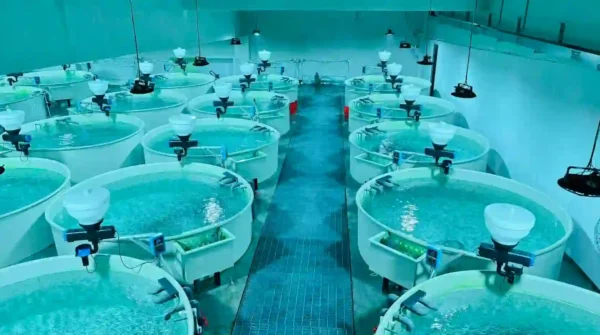
PP tanks and structures can be fabricated using hot-air or extrusion welding, creating a strong welded joint without relying on solvent-based adhesives or conventional waterproof coatings.For aquaculture projects, this can simplify fabrication and installation while providing a smooth and easy-to-clean internal surface.
3.Low thermal conductivity
PP has relatively low thermal conductivity compared with many conventional construction materials.When PP tanks are combined with appropriate thermal insulation and facility design, they can help reduce heat transfer between the culture water and the surrounding environment.This can be particularly relevant for RAS facilities where maintaining a stable water temperature can represent an important part of energy consumption.
Hygiene and Biosecurity: Designing for Easier Cleaning and Maintenance
In intensive aquaculture, biosecurity and water quality management are fundamental to stable production.PP can provide several useful characteristics for aquaculture applications:
1.Chemical resistance
Polypropylene has good resistance to a wide range of acids, alkalis and common chemicals, although the actual resistance depends on chemical concentration, temperature, exposure time and the specific PP grade.For aquaculture applications, properly selected PP materials can therefore be used in environments involving water treatment, cleaning and disinfection processes.For applications involving direct contact with aquatic animals or food-related processes, the material grade and relevant food-contact or regulatory requirements should always be verified.
2.Smooth, non-porous surfaces
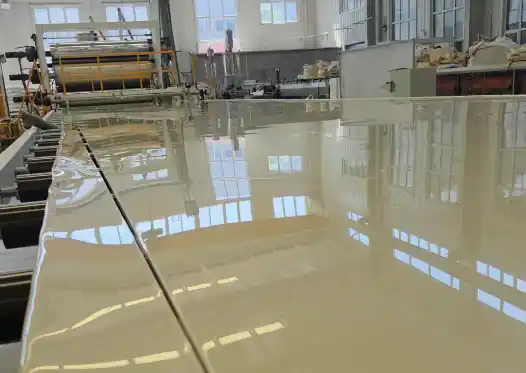
PP sheets have a smooth surface and very low water absorption.Compared with porous surfaces, a properly fabricated PP tank can be easier to clean and maintain. This is particularly useful in RAS systems, hatcheries, nursery tanks and quarantine facilities, where cleaning and hygiene management are important parts of daily operation.
3.Smooth welded joints
With proper PP welding and fabrication, tank surfaces can be designed with smooth internal transitions and without exposed sharp edges or protrusions.For species that are sensitive to mechanical damage, this can help create a more suitable culture environment and simplify routine cleaning.
More Than Fish Tanks: Where Can PP Sheets Be Used?
The versatility of PP sheet fabrication makes it suitable for a wide range of applications beyond conventional culture tanks.
Aquaculture
RAS culture tanks
Nursery and hatchery tanks
Quarantine and temporary holding tanks
Filtration and treatment tanks
Protein skimmer and water treatment equipment
Aquaculture equipment housings and components
Industrial & Environmental Engineering
Chemical storage tanks
Industrial wastewater treatment tanks
Acid and alkali treatment tanks
Chemical-resistant linings and fabricated structures
Agriculture
Aquaponics systems
Hydroponic systems
Nutrient solution tanks
Water circulation and storage systems
Landscape & Water Features
Commercial water features
Artificial ponds
Ecological landscape water systems
Material selection is an important part of aquaculture facility design.Choosing PP sheets is not simply about selecting a durable material for building a tank. It is about considering cleanability, chemical resistance, fabrication flexibility, maintenance requirements and long-term operational needs as part of the overall system design.
As aquaculture continues to move toward more controlled and intensive production, materials such as PP can play an increasingly useful role in the development of modern aquaculture infrastructure.We will continue exploring the application of high-performance polymer materials in aquaculture equipment and RAS projects, with a focus on practical engineering solutions for more efficient and sustainable aquaculture.