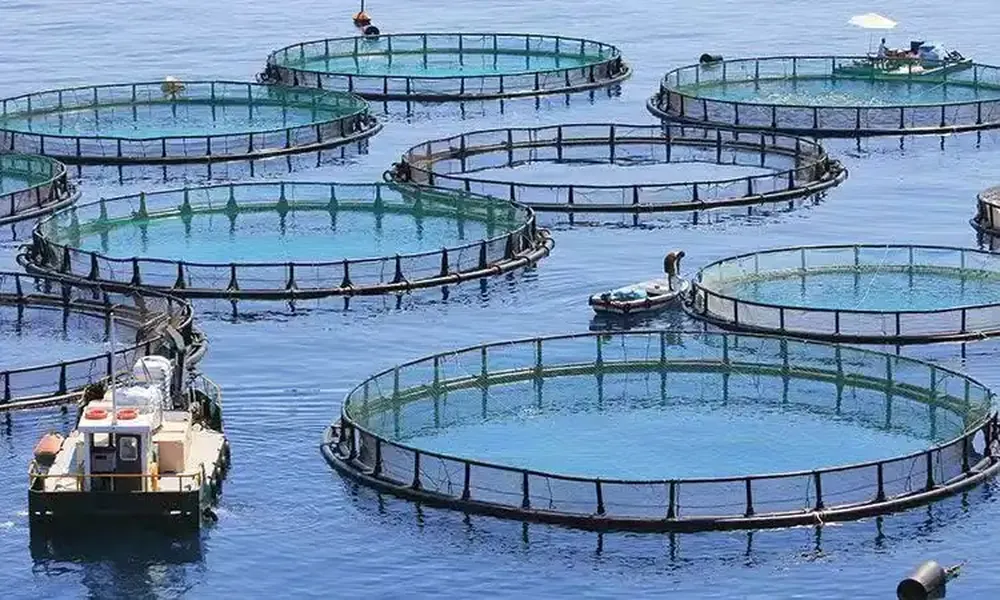
Marine aquaculture has better water exchange conditions but also faces more complex sea conditions. However, many aquaculture projects only find out after they are truly implemented that the real difficulties do not lie only in site selection or equipment parameters, but in installation, daily maintenance, and later expansion. If the basic structure design is unreasonable, these three things often simultaneously become “long-term problems”.
The pain points of traditional fish cages often start from the installation stage. Common problems include: difficulty in transportation and on-site assembly, long installation periods and high costs. Once the plan is determined, there is very little room for adjustment in the later stage. Expanding capacity can only be achieved by starting over, which affects normal production. These issues can be managed in relatively calm sea conditions, but when encountering high waves, strong currents, or limited operation windows, the construction and maintenance costs increase rapidly, and even affect the safety of aquaculture.
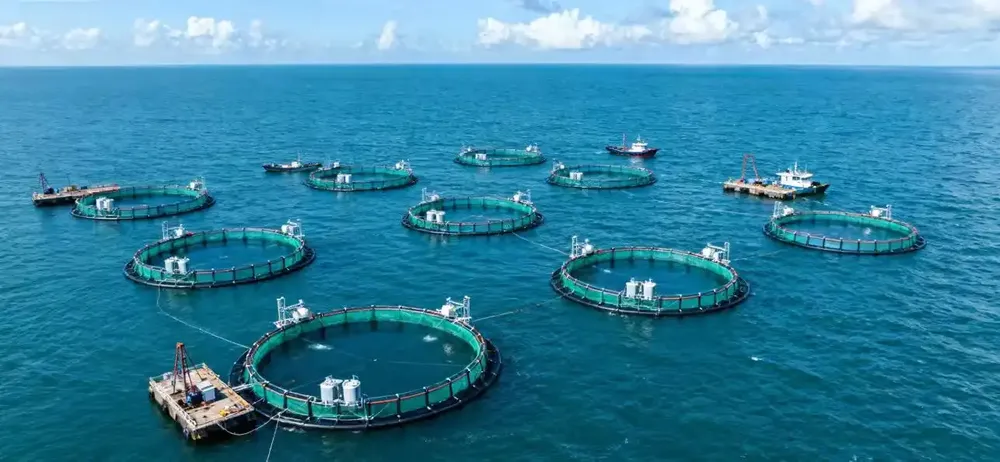
Modular fish cage structures make installation more controllable
The core idea of modular design is to break down complex systems into standard units. After adopting a modular structure for fish cages, each component can be pre-assembled on land and then quickly assembled on-site, significantly reducing the time spent on sea operations. This approach not only improves installation efficiency but also reduces the reliance on large equipment and high-intensity labor.
When the structure is no longer “irreversible”, the installation process changes from a one-time high-risk operation to a planned and adjustable standardized process, which is particularly suitable for construction environments with limited operation windows in nearshore conditions.
Simplifying the maintenance of multi-functional platforms
In an increasing number of aquaculture projects, functions such as breeding, operation and maintenance, and tourism are integrated into the same offshore system. Modular design makes multi-functional combinations less complex and also enables the system to have the possibility of flexible expansion and functional upgrades. Different functional units can be combined and adjusted according to actual needs, allowing the platform to meet the core requirements of aquaculture while also considering operational management and comprehensive utilization value. This design-oriented towards modularity and maintenance friendliness not only improves overall operational efficiency but also reduces the reliance on highly skilled maintenance personnel, making multi-functional offshore aquaculture systems more reliable and sustainable in practical applications.
Wave attenuation and current reduction embankments are the “invisible foundation” for stable operation
In marine environments, continuous wave impacts not only affect operational safety but also accelerate structural fatigue. Reasonably designed wave attenuation and current reduction embankments can effectively reduce the direct force of waves on the main body of the fish cage, improving overall stability. The more stable the structure, the lower the equipment failure rate, and the maintenance frequency naturally decreases.
Expandable and upgradeable, making projects more flexible
Aquaculture projects do not determine their final scale at the beginning.
Modular design enables the fish cage system to be gradually expanded according to actual business conditions without having to make a one-time high investment. Whether it is adding breeding units or upgrading automated equipment in the later stage, it can be completed on the basis of the original structure, avoiding repetitive construction. At the same time, the use of corrosion-resistant materials can effectively extend the service life, reduce long-term maintenance and replacement costs, and make the overall investment return more predictable.
In offshore aquaculture, what truly determines whether a project can operate sustainably over the long term is not just sturdiness, but also ease of installation, usability, and scalability. By combining modular cages with durable materials, the aquaculture system can remain stable in complex sea conditions and also reserve sufficient space for future development.