Aquaculture
Wave impact is one of the main risks to fish and shrimp losses in marine cage aquaculture. How to avoid or reduce losses is a major challenge for aquaculture farmers. To solve this problem, the following aspects need to be addressed.
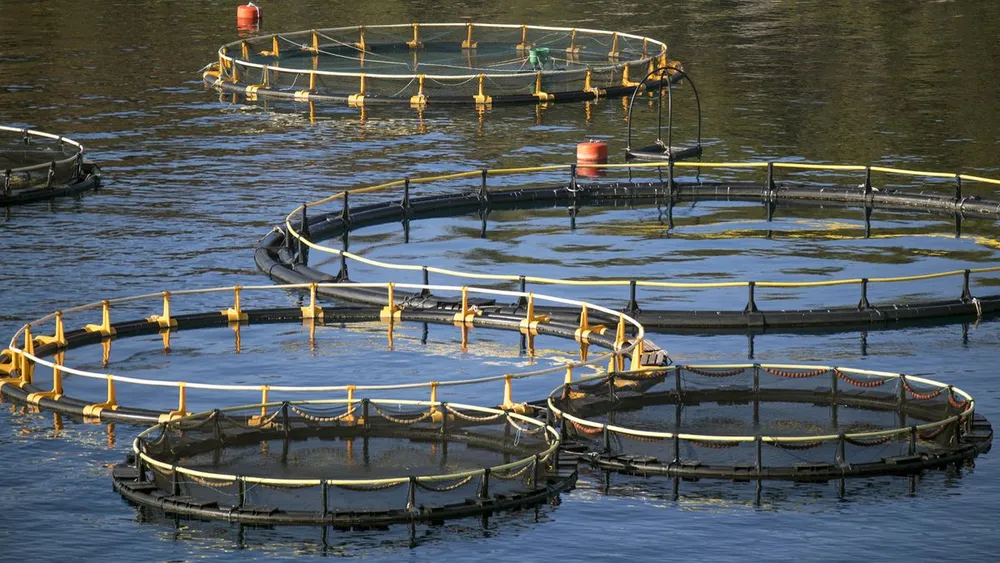
First, optimize the cage structure design to disperse the impact of waves. Use wave-resistant cages, preferably circular ones, to evenly distribute the impact of waves around the cage and reduce localized stress. For deep-sea aquaculture, use large gravity-type cages. These cages, with their stable structure of bottom counterweights and top floating frames, have a much higher resistance to waves than traditional simple cages.
Second, add buffer and protective devices: Large cages can have breakwaters built around the main cage to form double-layer protection. The outer breakwater weakens the intensity of waves, reducing the stress on the main cage. At the same time, strengthen the cage frame and connectors, and use thickened floating frames. HDPE pipes, with high-strength bolts and clips at frame connections, prevent loosening and breakage in wind and waves. Scientific site selection and rational layout are also crucial. It’s necessary to avoid the core impact areas of wind and waves, prioritizing natural sheltered areas such as harbors, the inner side of bays, and the leeward side of islands, avoiding areas with strong winds and waves in the open sea, typhoon paths, and areas with strong ocean currents. Simultaneously, avoid areas near shipping channels and ports to minimize interference from ships and humans. Furthermore, the spacing and arrangement of net cages must be rationally planned. When multiple net cages are clustered together, the spacing must be controlled to prevent collisions between cages in wind and waves. The direction of the net cage arrangement should be parallel to the mainstream wind and ocean current direction to reduce the direct impact of wind and waves on the cages and lower drag.
Finally, meticulous daily maintenance is essential, including proactively identifying and addressing potential risks. Specifically, weekly checks should be conducted on the netting for damage, wear, and aging; any holes should be repaired promptly, and severely damaged netting should be replaced. Monthly inspections should be performed on anchor chains, floats, and connectors, replacing any rusted or deformed parts to ensure the stability of the anchoring system. Fish and shrimp farming density should be adjusted according to seasonal wind and wave changes. During periods of high winds and waves, density should be reduced to decrease the load on the netting cages. During typhoon season, the netting cage lifting device should be adjusted to lower the netting to a certain depth, taking advantage of the reduced intensity of underwater waves to mitigate the risk of damage. Regularly clean the netting of seaweed, shellfish, and other attached organisms, as these increase the weight and drag of the netting, causing damage. High-pressure water jets or mechanical cleaning are typically needed to maintain the netting’s permeability.
By implementing these protective measures, unnecessary losses can be avoided. Additionally, upon receiving a strong wind and wave warning, if conditions permit, transfer the fish and shrimp from the net cages to an indoor location for temporary holding. If transfer is not possible, immediately tighten the anchor chains, reinforce the net cage frame, and further secure the net cage to a fixed object with ropes to reduce the swaying of the cage in wind and waves.