Research on Reservoir Coupled Recirculating Aquaculture System
In traditional RAS (Recirculating Aquaculture System), system stability, energy consumption control and water body regulation capacity have always been the core challenges in engineering application. Based on actual aquaculture needs and engineering experience, our company is promoting a pilot project of a reservoir coupled RAS engineering, exploring a more stable, energy-efficient and scalable recirculating aquaculture solution.
Project objective
By introducing an independent water storage unit as the water volume and quality regulation module of the system, this project focuses on achieving:
Enhance the overall water stability of the system
Reduce the energy consumption per unit of output during operation
Enhance the system’s load resistance and risk resistance capabilities
Build a RAS model that can be scientifically verified and engineering promoted
Overview of System Design
This pilot system adopts a modular structure, mainly including:
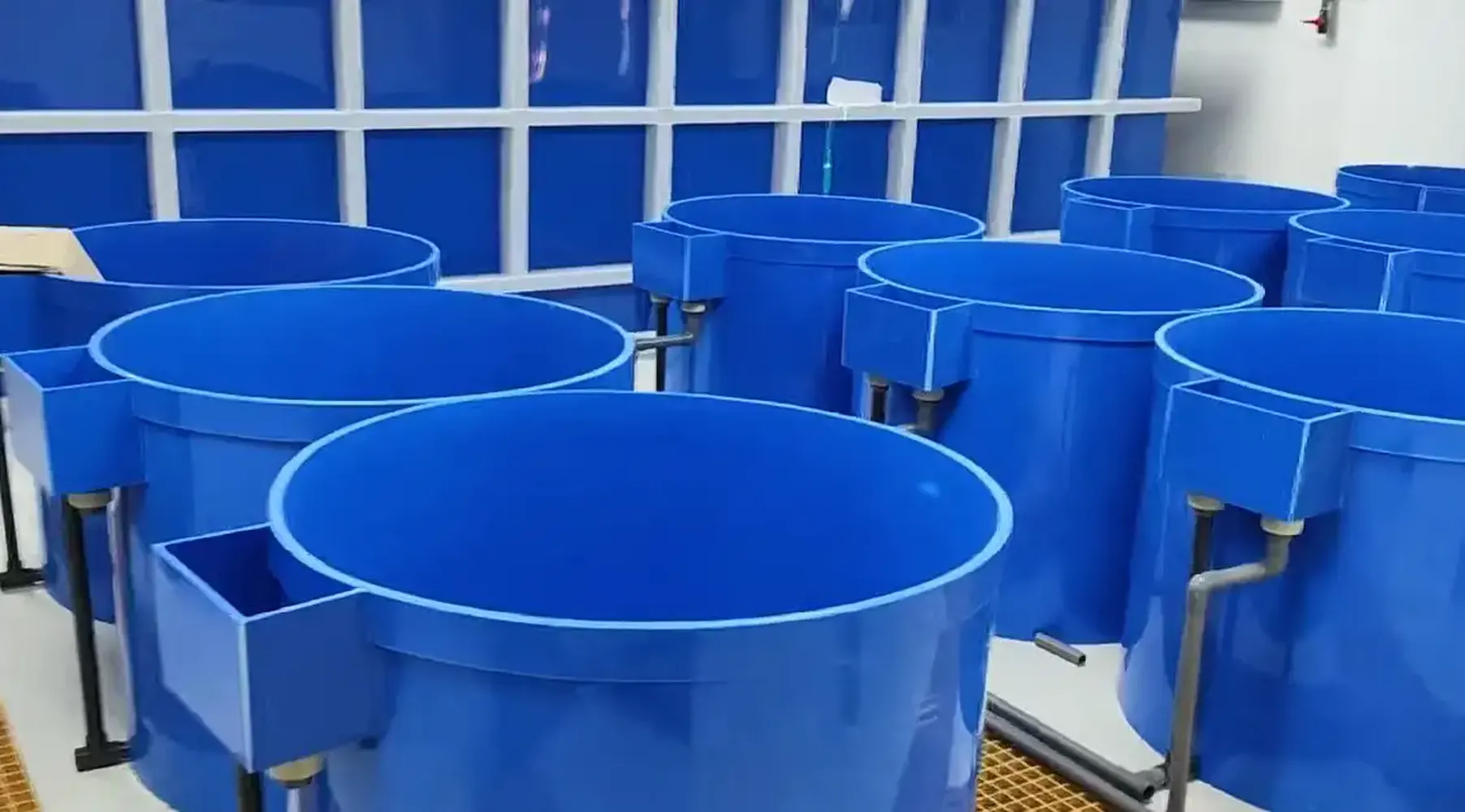
Aquaculture pond unit
Mechanical filtration and solid separation system
Biological filtration system (nitrification core
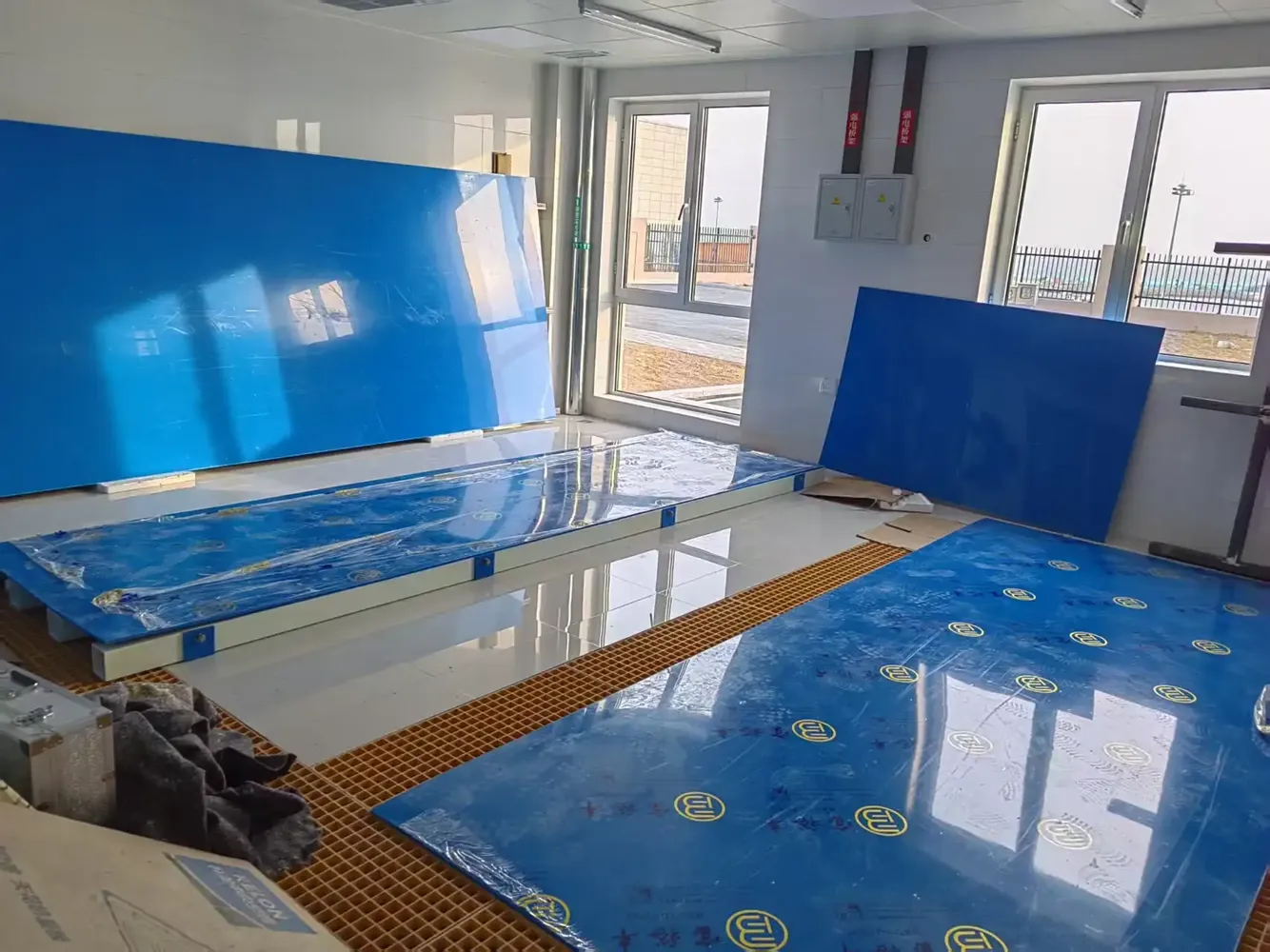
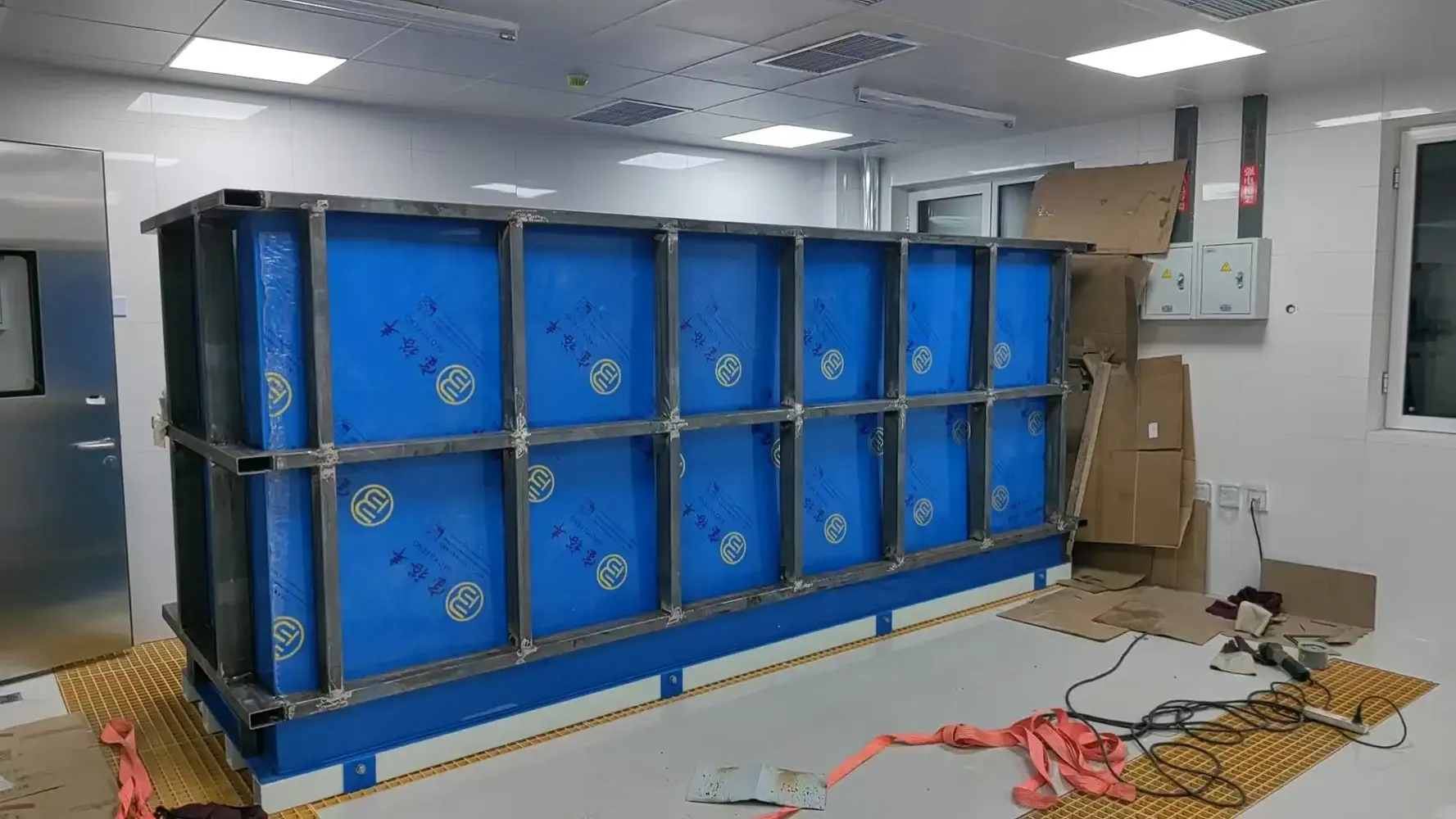
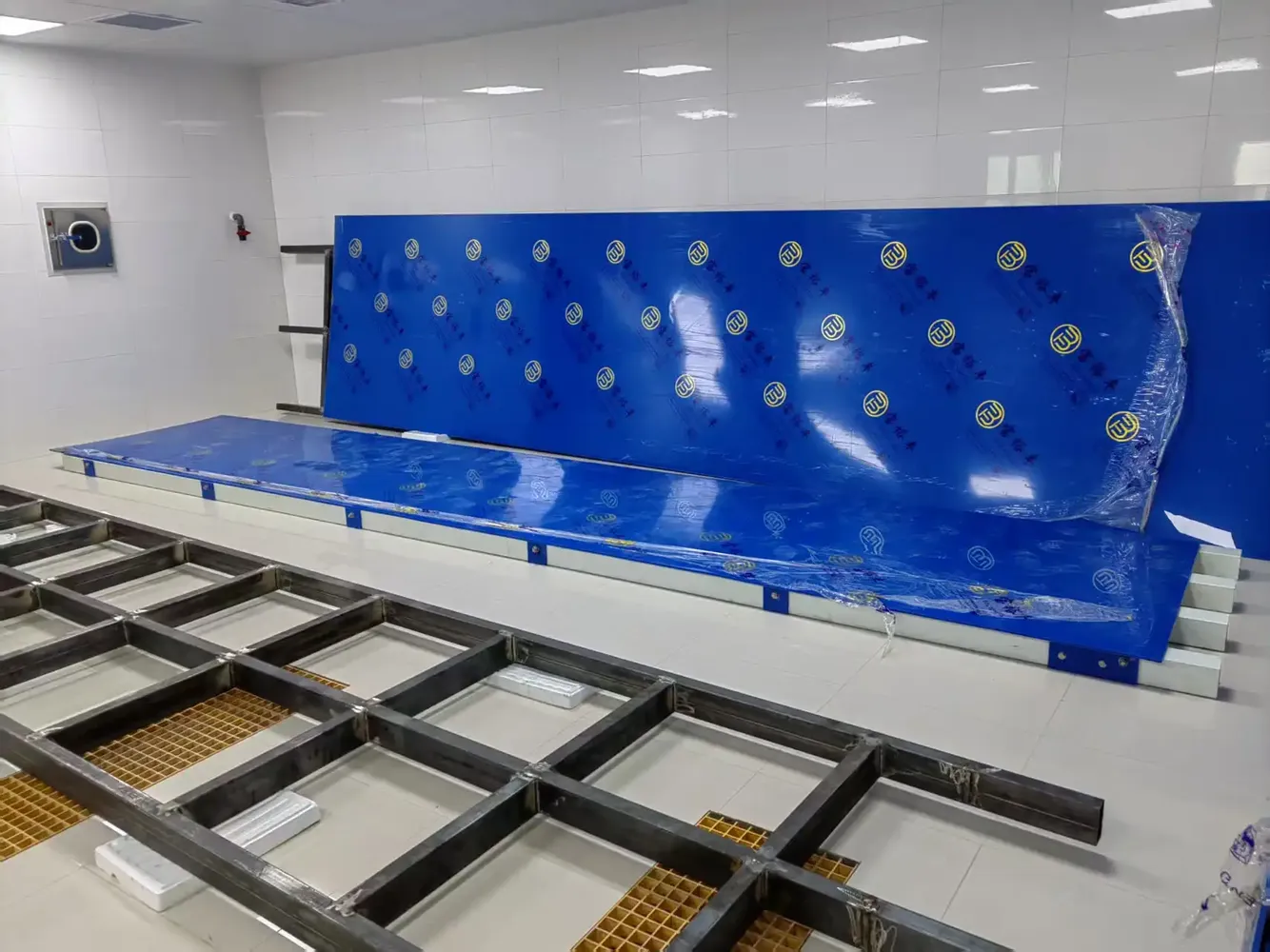
Reservoir regulating unit
Water quality regulation and reflux hydraulic system
Reservoirs are not merely for storing water; they are deeply involved in the operation of the system and play a crucial role in stabilizing water bodies, buffering loads, and emergency regulation.
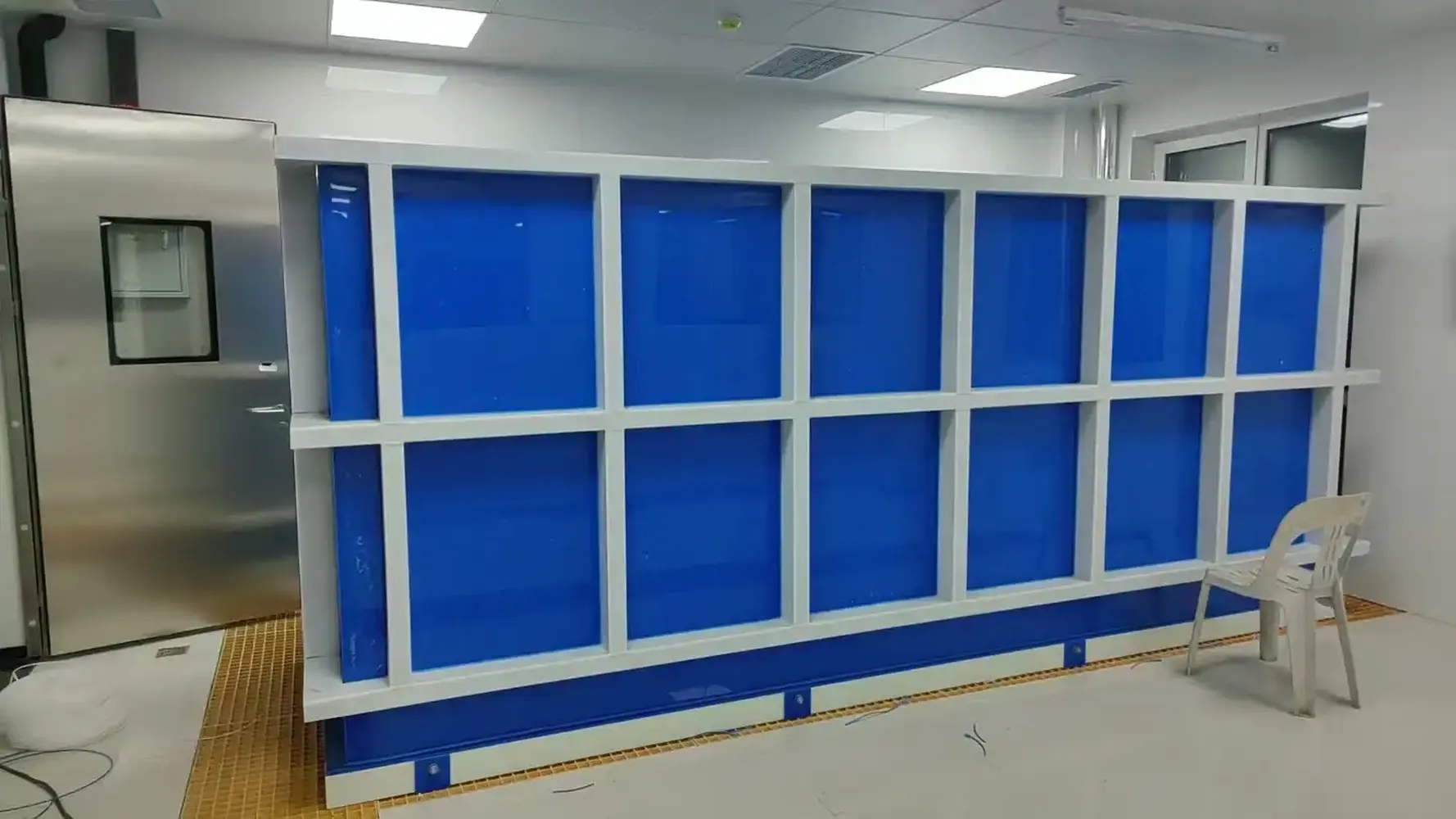
The core function of a reservoir
Water body buffering and stabilization: Significantly increase the effective water volume of the system and reduce the fluctuations of indicators such as ammonia nitrogen and nitrite
Reduce system pressure: Decrease the frequency of water changes and the instantaneous load on equipment to extend the service life of the equipment
Optimize the biological filtration environment: Provide more stable hydraulic and operational conditions for nitrifying bacteria
Enhance system safety redundancy: Provide backup and buffer protection in maintenance or abnormal situations
Scientific research and engineering value
This pilot system takes into account both scientific research verification and practical application value, and can be:
High-density RAS engineering design provides data support
Biological filtration and water body regulation optimization provide an experimental platform
Research institutions, demonstration projects and commercial RAS provide replicable cases
It is especially suitable for scientific research demonstration, engineering pilot projects and small and medium-sized factory-based breeding projects.
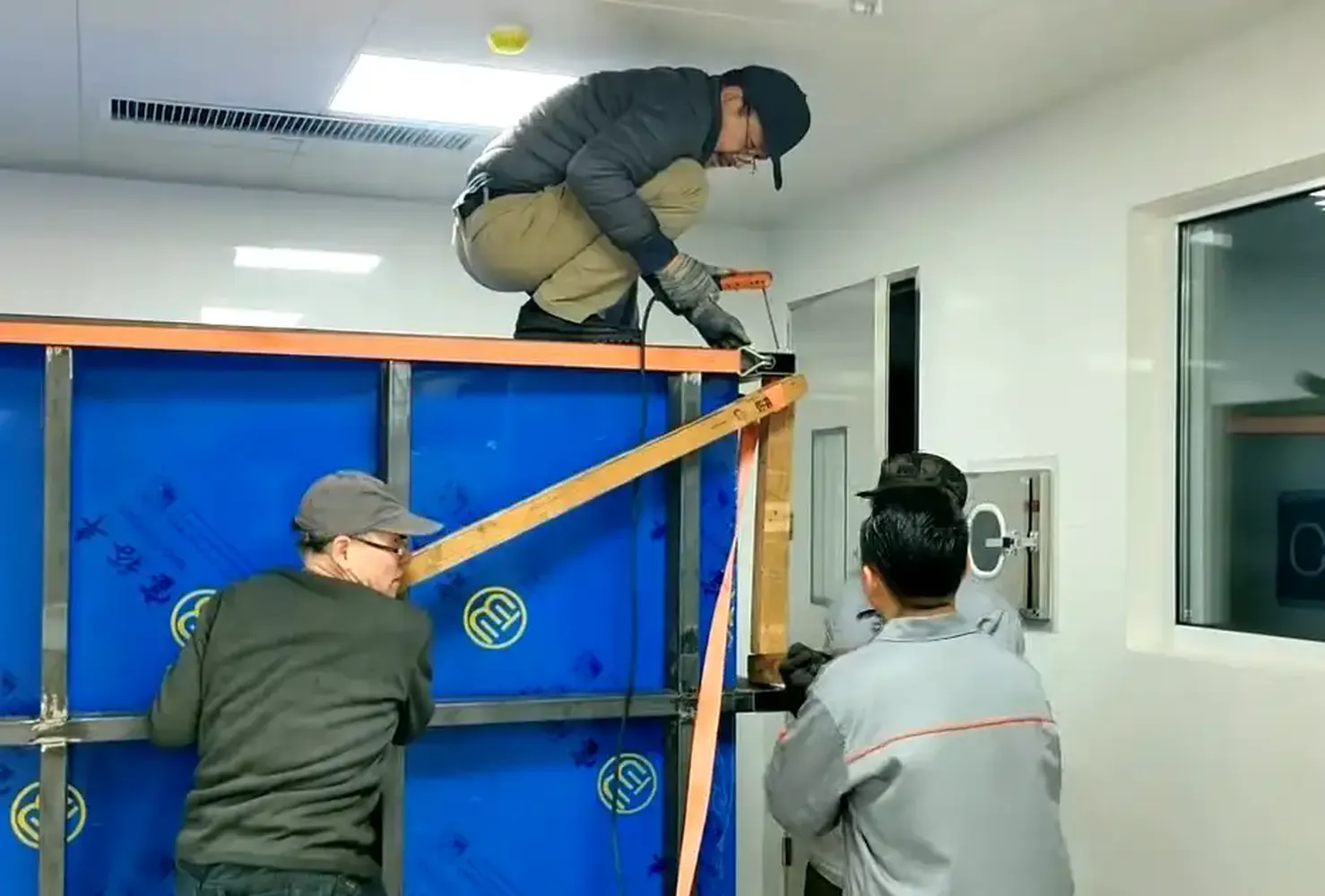
Subsequent research directions
The optimal matching of the reservoir volume with the system load
Research on the Regulation and Storage Adaptability of Different Farmed Species
Optimization of energy consumption and water resource utilization efficiency
Integration of intelligent monitoring and automatic control
By integrating the reservoir into the RAS engineering system, this project has explored a more stable, economical and engineering-feasible recirculating aquaculture path, providing a new technical reference for the upgrading of modern aquaculture systems.