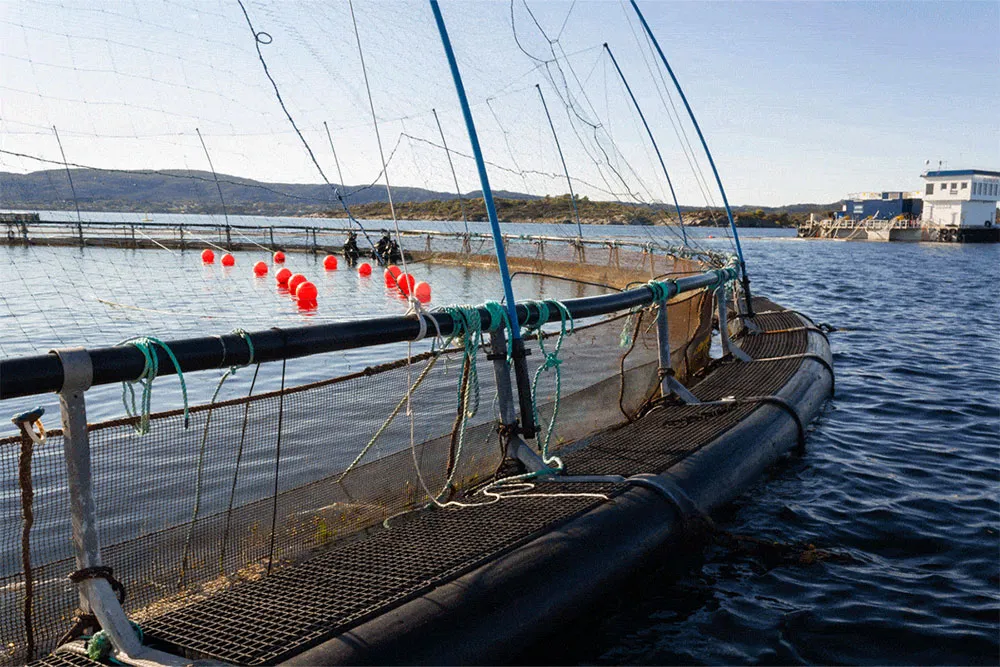
An oxygen generator is a machine. It makes oxygen gas from air. Fish farms use this machine to put more oxygen into the water. This is very important for the health of the fish.
Fish breathe oxygen. They do not breathe the hydrogen part of the water molecule. They use their gills to take oxygen that is dissolved in the water. The amount of oxygen in water is limited. When there are many fish in a tank or pond, they can use up the oxygen fast. If oxygen levels get too low, fish become stressed. They may stop eating. They can get sick. In severe cases, they can die. An oxygen generator helps prevent this problem.
There are different ways to add oxygen to water. Some farms use simple air pumps. These pumps push air into the water. Air has about 21% oxygen. This method works for some situations. But for dense fish populations, more oxygen is needed. An oxygen generator makes gas that is over 90% oxygen. This is much more efficient.
There are two main types of oxygen generators used on fish farms. Each type works in a different way.
The first type is called a Pressure Swing Adsorption generator, or PSA. This is a common type. This machine takes in air from the room. The air is compressed, which means it is pushed into a smaller space. Then, the compressed air goes into a vessel that contains a material called a molecular sieve. This material is like a filter. It traps nitrogen molecules from the air. Nitrogen is the main gas in air, about 78%. The oxygen molecules pass through. The result is a stream of gas that is mostly oxygen. This oxygen is then collected and sent into the water. PSA generators usually have two vessels. While one vessel is trapping nitrogen, the other vessel is releasing it. This process switches back and forth to give a continuous flow of oxygen.
The second type is a Vacuum Swing Adsorption generator, or VSA. This machine works in a similar way. It also uses a molecular sieve to separate nitrogen from oxygen. But instead of pushing air in with pressure, it uses a vacuum pump to pull air through the system. This can use less electricity than a PSA system.
Once the machine makes oxygen, the oxygen must be added to the water. This is done with special equipment. A common tool is a diffuser. A diffuser is a device that creates very small bubbles. It is placed at the bottom of the fish tank or pond. The oxygen gas is pumped through a tube to the diffuser. The diffuser releases the oxygen as tiny bubbles. Small bubbles have more surface area. This helps the oxygen dissolve into the water faster. Another tool is an oxygen cone. This is a special chamber where water and oxygen mix before the water flows back into the tank.
There are clear reasons why fish farms use these machines.
The main reason is fish survival. More oxygen in the water means fish can breathe easily. This is especially important in warm water. Warm water holds less oxygen than cold water. It is also critical in systems with many fish, like Recirculating Aquaculture Systems (RAS). In these systems, oxygen levels can drop quickly without a generator.
Another reason is growth. Fish that have enough oxygen eat more food. They convert this food into body mass faster. This means they grow to market size in less time. This increases the farm’s production.
Another reason is stock density. With an oxygen generator, a farmer can keep more fish in the same volume of water. This makes better use of space and resources. It can increase the profit of the farm.
Another reason is waste treatment. The biofilter in a RAS needs oxygen. The bacteria in the biofilter use oxygen to break down fish waste. An oxygen generator supplies oxygen for these good bacteria too.
There are also some challenges with oxygen generators.
The first challenge is cost. The machine itself costs money to buy. It also uses electricity to run. This adds to the operating cost of the farm.
The second challenge is maintenance. The machines have parts that can wear out. Filters need to be changed. The molecular sieve material needs to be replaced after some years. The farmer must know how to take care of the machine.
The third challenge is dependence. The farm becomes dependent on the machine. If the machine breaks, the oxygen supply stops. This is a big risk. Farms need a backup plan, like a backup generator or oxygen tanks.
In conclusion, an oxygen generator is a key machine in modern fish farming. It separates oxygen from air. It adds this oxygen to the water to help fish breathe. This leads to healthier fish, faster growth, and higher farm production. While it has costs and requires maintenance, its benefits make it essential for many aquaculture operations.